LEGO bricks, iconic and instantly recognizable, have become more than mere plastic building blocks. Since their inception in 1932, these versatile pieces have evolved into a global phenomenon that captivates the imagination of all ages. Originally designed as simple toys, LEGO bricks have transcended their initial purpose, transforming into a multifacet lego ed tool for creativity, education, and community engagement. This article explores the remarkable journey of LEGO bricks, highlighting their impact on innovation and learning across generations.
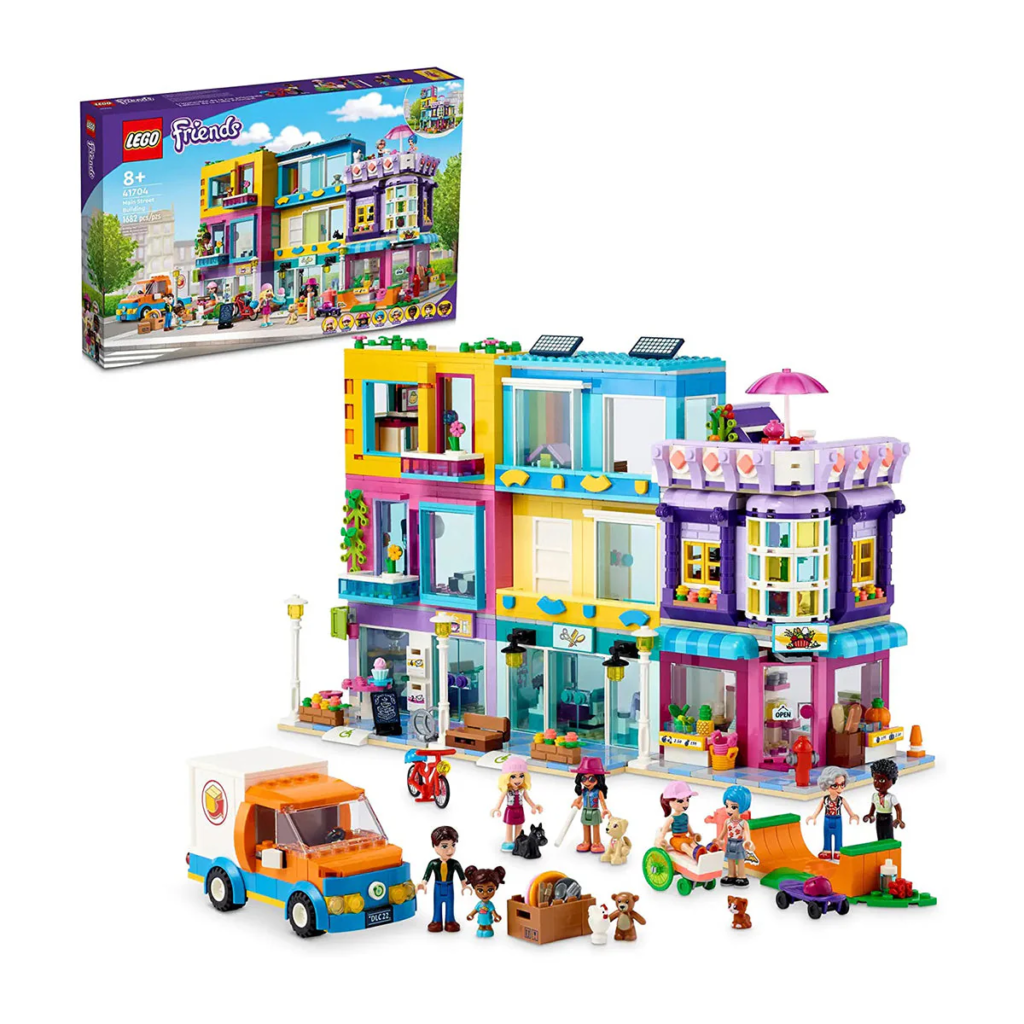
In the early 20th century, LEGO started as a modest woodworking shop in Denmark, founded by Ole Kirk Christiansen. The company’s transition from wooden toys to plastic bricks in the 1950s marked a significant turning point. The introduction of the patented “stud-and-tube” interlocking system revolutionized the way children—and adults—could engage with building and construction. This innovative design allowed for an unprecedented level of stability and creativity, enabling builders to construct complex structures with ease and precision. The simplicity of the brick combined with the ingenuity of its design laid the foundation for LEGO’s enduring success.
As LEGO continued to grow, it expanded its product lines to include themed sets and educational tools. The company’s commitment to fostering creativity and learning became evident through its various initiatives. For instance, LEGO Education programs have been instrumental in enhancing STEM (Science, Technology, Engineering, and Mathematics) education. By integrating LEGO bricks into classroom activities, educators have found a dynamic way to teach complex concepts and encourage problem-solving skills. This approach not only makes learning more engaging but also helps students develop critical thinking abilities in a hands-on environment.
Moreover, LEGO has successfully adapted to the digital age, blending traditional building with modern technology. The advent of LEGO video games and augmented reality experiences has introduced a new dimension to the LEGO experience. These digital platforms allow users to interact with their creations in innovative ways, merging virtual and physical play. For example, LEGO’s collaboration with popular franchises like Star Wars and Harry Potter has resulted in immersive experiences that capture the essence of beloved stories while allowing players to build and explore new worlds. This synergy between physical and digital play demonstrates LEGO’s ability to stay relevant and exciting in an ever-evolving technological landscape.
The global impact of LEGO extends beyond educational and entertainment realms; it also encompasses social and cultural dimensions. LEGO has become a medium for self-expression and community building, with enthusiasts around the world participating in conventions, exhibitions, and fan communities. The annual LEGO fan convention, BrickCon, and various local events provide platforms for fans to showcase their creations and connect with like-minded individuals. Additionally, LEGO’s initiatives to promote inclusivity and diversity through its sets and media reflect its commitment to representing a wide array of cultures and experiences. This focus on community engagement underscores LEGO’s role as a catalyst for creativity and collaboration on a global scale.
In conclusion, LEGO bricks have evolved from simple toys into powerful tools for creativity, education, and community engagement. Their innovative design, coupled with a commitment to adapting to changing times, has cemented their place in both educational and entertainment spheres. As LEGO continues to inspire and challenge builders of all ages, it remains a testament to the boundless possibilities that can emerge from a single, unassuming piece of plastic. The legacy of LEGO is not just in the structures built but in the creativity and imagination it fosters, proving that sometimes, the simplest things can have the most profound impact.


