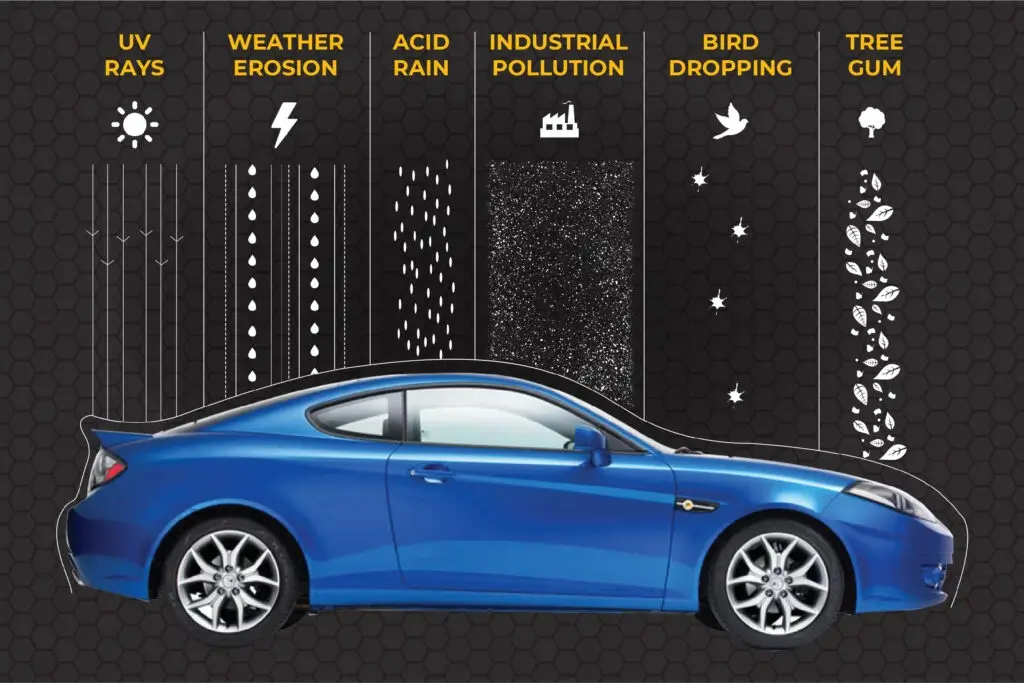
When it comes to preserving the appearance and protecting the paint of your car, few methods offer the same level of durability and effectiveness as professional ceramic coating. This advanced technology creates a protective barrier that shields your vehicle from environmental contaminants, scratches, Uv rays, and water damage. However, ceramic coating olathe achieving the best results requires more than just applying the product to the surface — it involves a carefully executed process to ensure the coating bonds correctly and delivers optimal protection. In this article, we’ll walk you through the step-by-step process of a professional ceramic coating service to help you understand what to expect and why each step is critical for the success of the coating.
- Initial Inspection and Surface Preparation
The process begins with a thorough inspection of your vehicle’s exterior. A professional technician will examine the paint to identify any imperfections, scratches, swirl marks, or contaminants that may be present. This inspection is important because any imperfections left untreated will affect the bonding of the ceramic coating and can compromise the results. If necessary, the technician will recommend a paint correction to restore the surface to a flawless condition.
Once the inspection is complete, the vehicle undergoes detailed surface preparation. This typically involves a decontamination wash to remove dirt, grime, and oils from the paint. The technician will use a clay bar treatment to eliminate embedded contaminants, such as tar, sap, or industrial fallout, that are not removed during a regular wash. Clay bars are essential for ensuring a completely smooth surface before applying the ceramic coating. Any remaining oils or residues are removed using an IPA (Isopropyl Alcohol) wipe, which ensures that the surface is free of any chemicals or residues that could interfere with the bonding process.
- Paint Correction (If Necessary)
Paint correction is one of the most important steps in a professional ceramic coating service. If your vehicle’s paint has imperfections such as swirl marks, light scratches, or oxidation, these issues need to be addressed before applying the ceramic coating. The technician will use polishing machines with specialized pads and compounds to buff out imperfections and restore the paint to a glossy, smooth finish.
This process can take several hours, depending on the condition of the vehicle’s paint and the extent of the correction required. While paint correction is not always necessary, it is essential if your car’s exterior has visible defects. Skipping this step could result in imperfections being sealed under the coating, diminishing the overall finish. Once the paint has been fully corrected and restored to a smooth, glossy state, the vehicle is thoroughly cleaned again to remove any dust or residues from the correction process.
- Application of the Ceramic Coating
After the vehicle’s surface is prepped and the paint is corrected, the ceramic coating is applied. This is a delicate and precise process. The technician will use an applicator pad to carefully apply the coating in small, controlled sections. The coating is a liquid polymer that forms a chemical bond with the vehicle’s paint once applied. This bonding creates a durable, transparent layer that offers exceptional protection from contaminants, water, Uv rays, and light abrasions.
The technician will work in small sections, ensuring the coating is applied evenly and consistently across the vehicle’s exterior. After the coating is applied to each section, it is allowed to cure for a short period of time (usually a few minutes). The technician will then buff off any excess product with a clean microfiber towel, leaving a smooth, glossy finish behind. It’s crucial that the technician works carefully to avoid any streaks or high spots, as these could interfere with the performance of the coating.
- Curing and Drying Time
Once the ceramic coating is applied, the vehicle must be left to cure. During this curing process, the coating undergoes a chemical reaction that forms a hard, protective layer on the surface. This process can take anywhere from 12 to 24 hours, depending on the specific product used and environmental conditions. During this time, it is critical that the vehicle is not exposed to moisture, dust, or contaminants.
Professional ceramic coating services typically provide a controlled environment, such as a clean, dry garage or workshop, where the curing process can take place without interruption. Many services will also provide a paint protection plan, which may include additional maintenance or top-up applications after a specific period. If the vehicle is exposed to harsh conditions before the coating has fully cured, it can compromise the overall durability and performance of the coating.
- Post-Coating Care and Maintenance Instructions
Once the curing process is complete, the technician will provide you with detailed aftercare instructions to ensure the longevity of your ceramic coating. While ceramic coatings require less maintenance than traditional wax or sealants, they still benefit from periodic cleaning and attention. The technician will advise you on how to wash the vehicle without damaging the coating, typically recommending a pH-balanced car shampoo and a soft microfiber cloth or mitt. Avoiding harsh detergents, abrasive sponges, or automated car washes is critical to maintaining the integrity of the ceramic layer.
Many professional ceramic coating services will also recommend using maintenance sprays or boosters designed to enhance the coating’s hydrophobic properties and prolong its performance. These products can be applied periodically, usually after every few washes, to restore the coating’s water-repelling properties and maintain its shine. Additionally, the technician will explain how to monitor the coating’s performance over time and let you know when a reapplication or booster treatment may be necessary.
Conclusion: The Professional Ceramic Coating Process
A professional ceramic coating service involves a multi-step process that includes surface preparation, paint correction (if necessary), precise application of the coating, and post-coating care. The process is meticulous and requires specialized knowledge and equipment to ensure the best results. By choosing a professional service, you not only get a high-quality application of the coating but also benefit from expert advice and maintenance tips that help your vehicle’s exterior stay protected for years to come.
While the initial cost of a professional ceramic coating service may seem high, the long-term benefits—such as enhanced protection, reduced maintenance, and increased resale value—make it a worthwhile investment for car owners who want to preserve their vehicle’s appearance. Whether you’re a car enthusiast or simply someone who wants to keep your car looking new, professional ceramic coating is a smart choice for maintaining your vehicle’s exterior in top condition.