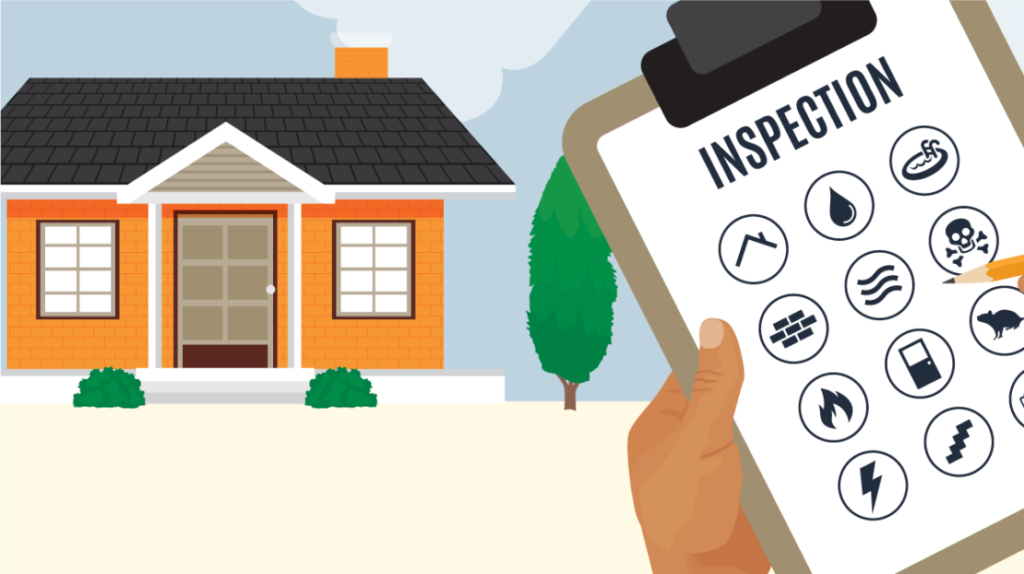
Property inspection is a crucial step in buying, selling, or maintaining real estate. It involves a thorough assessment of a property’s structural integrity, safety, and overall condition. Whether it is a residential home, commercial space, or rental property, 驗樓 a professional inspection can reveal hidden issues that may affect its value or livability. By identifying potential concerns early, property inspections help owners and buyers make informed decisions, avoid costly repairs, and ensure compliance with local regulations.
One of the primary benefits of a property inspection is uncovering structural problems. Inspectors examine the foundation, walls, roof, plumbing, and electrical systems to detect any damage, wear, or safety hazards. Issues such as cracks, leaks, faulty wiring, or weak structural components can compromise a building’s stability. Without a proper inspection, these problems may go unnoticed, leading to expensive repairs or even hazardous living conditions. Addressing them before finalizing a purchase or renovation can save significant time and money.
In addition to structural integrity, property inspections also focus on health and safety concerns. Inspectors check for mold, asbestos, lead-based paint, and pest infestations, all of which can pose serious health risks. Poor indoor air quality, inadequate ventilation, or hidden water damage may also contribute to unsafe conditions. By identifying these hazards early, property owners can take the necessary steps to mitigate risks and create a healthier environment for occupants. This is particularly important for families, tenants, and businesses operating within the property.
A property inspection is also essential for evaluating a property’s market value. Buyers often rely on inspection reports to negotiate prices, request repairs, or reconsider their investment. Sellers can use inspections to address issues beforehand, making their property more attractive to potential buyers. For landlords, regular inspections help maintain rental units, ensuring tenant satisfaction and reducing the likelihood of unexpected maintenance costs. In real estate transactions, an inspection can be a valuable tool for both parties to reach a fair and transparent agreement.
Apart from real estate transactions, regular inspections are vital for property maintenance. Homeowners and commercial property owners benefit from periodic assessments that help identify minor issues before they escalate. Preventive maintenance, such as checking for plumbing leaks, roof damage, or electrical faults, can extend the lifespan of a property and prevent emergency repairs. Regular inspections also ensure compliance with safety codes and local regulations, protecting both occupants and property values.
In conclusion, property inspections are a fundamental part of responsible property ownership. They provide critical insights into a property’s condition, ensuring safety, financial security, and regulatory compliance. Whether buying, selling, or maintaining real estate, investing in professional inspections can prevent unforeseen expenses and safeguard long-term property value. By prioritizing regular assessments, property owners can make informed decisions that contribute to a safer, healthier, and more valuable living or working space.