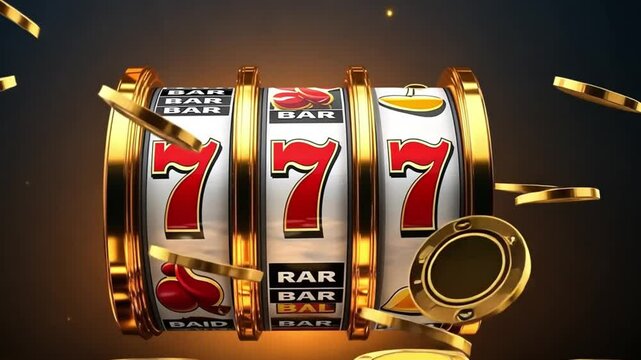
In the world of online slots, few features draw more excitement than progressive jackpots. These thrilling games offer life-changing sums of slot gacor malam ini money, often reaching millions of dollars. But with massive payouts comes increased volatility and lower odds — making many players wonder: are progressive jackpots really worth the risk? To help you decide, this article breaks down how progressive jackpots work, their appeal, and the factors every player should consider before spinning.
1. What Are Progressive Jackpots?
A progressive jackpot is a prize pool that increases every time the game is played and no jackpot is won. A small percentage of each player’s bet contributes to the jackpot, causing it to grow over time. There are three types: standalone, local (linked within one casino), and networked (linked across multiple casinos) — the latter producing the largest prizes. Some well-known progressive jackpot slots include Mega Moolah, Divine Fortune, and Hall of Gods.
2. How to Win a Progressive Jackpot
Winning a progressive jackpot usually requires hitting a rare combination of symbols, or triggering a bonus round. In some games, jackpots are awarded randomly, while others require max bets or qualifying spins. For example, Mega Moolah offers a wheel-of-fortune-style bonus where players can win one of four jackpots. The catch? The odds of triggering these wins are low, especially for the largest prize. That’s part of the trade-off: higher potential rewards, but much slimmer chances.
3. The Appeal: Big Dreams, Bigger Payouts
The biggest reason players gravitate toward progressive jackpots is simple — the dream of winning big. Unlike regular slots, where wins are often capped, a progressive jackpot has no upper limit. With a single lucky spin, players have walked away with seven-figure payouts. This possibility injects excitement into every spin, especially when the jackpot reaches record-breaking levels. Even those who typically avoid high-volatility games may take a few spins when the prize pot climbs high.
4. The Risks: Low RTP and High Volatility
While the lure is strong, progressive slots come with higher risks. To fund the jackpot, the base game’s RTP (Return to Player) is often lower than standard slots — sometimes below 90%. In addition, these games are high-volatility, meaning wins are less frequent and bankrolls can deplete quickly. If you’re playing primarily for entertainment or steady wins, progressive slots may not be ideal. They’re best suited for players who understand the odds and accept the higher risk for the chance of a massive payout.
5. When Progressive Jackpots Are Worth It
Progressive jackpots can be worth the risk — if you play strategically. Set a budget, use only what you can afford to lose, and view jackpot play as a fun, high-stakes opportunity rather than a consistent money-maker. Some players wait until a jackpot reaches an unusually high amount, believing the “overdue” prize justifies the risk. Others chase smaller, more frequent jackpots like the Mini or Minor options in multi-tiered games. Either way, discipline and perspective are key.
Final Thoughts
Progressive jackpots are the slot world’s version of the lottery: long odds but massive rewards. For thrill-seekers and dreamers, they offer a pulse-pounding experience that standard slots can’t match. But for players who prefer stability, better odds, and longer play sessions, sticking to fixed jackpot or high-RTP slots might be the smarter move. In the end, whether they’re worth the risk depends on your goals, budget, and appetite for big swings. Just remember — every spin could be the one, but it’s the ride that counts.
Let me know if you’d like this adapted for SEO, turned into a WordPress format, or paired with specific jackpot slot recommendations!