Introduction — A Ground-Level View with Hard Numbers
I’m going to start with a precise claim: timing matters more than capacity. On August 15, 2022, in Santa Rosa, a 4-ton heat pump spiked to 5.6 kW the minute the evening rate hit $0.42/kWh. The homeowner’s residential battery energy storage system delivered 4.9 kW through its power converters, so the meter saw only a 0.7 kW draw. That is the difference between a bill shock and a shrug. Now, ask yourself: when your street goes dark or your tariff jumps, does your setup respond with that level of control?
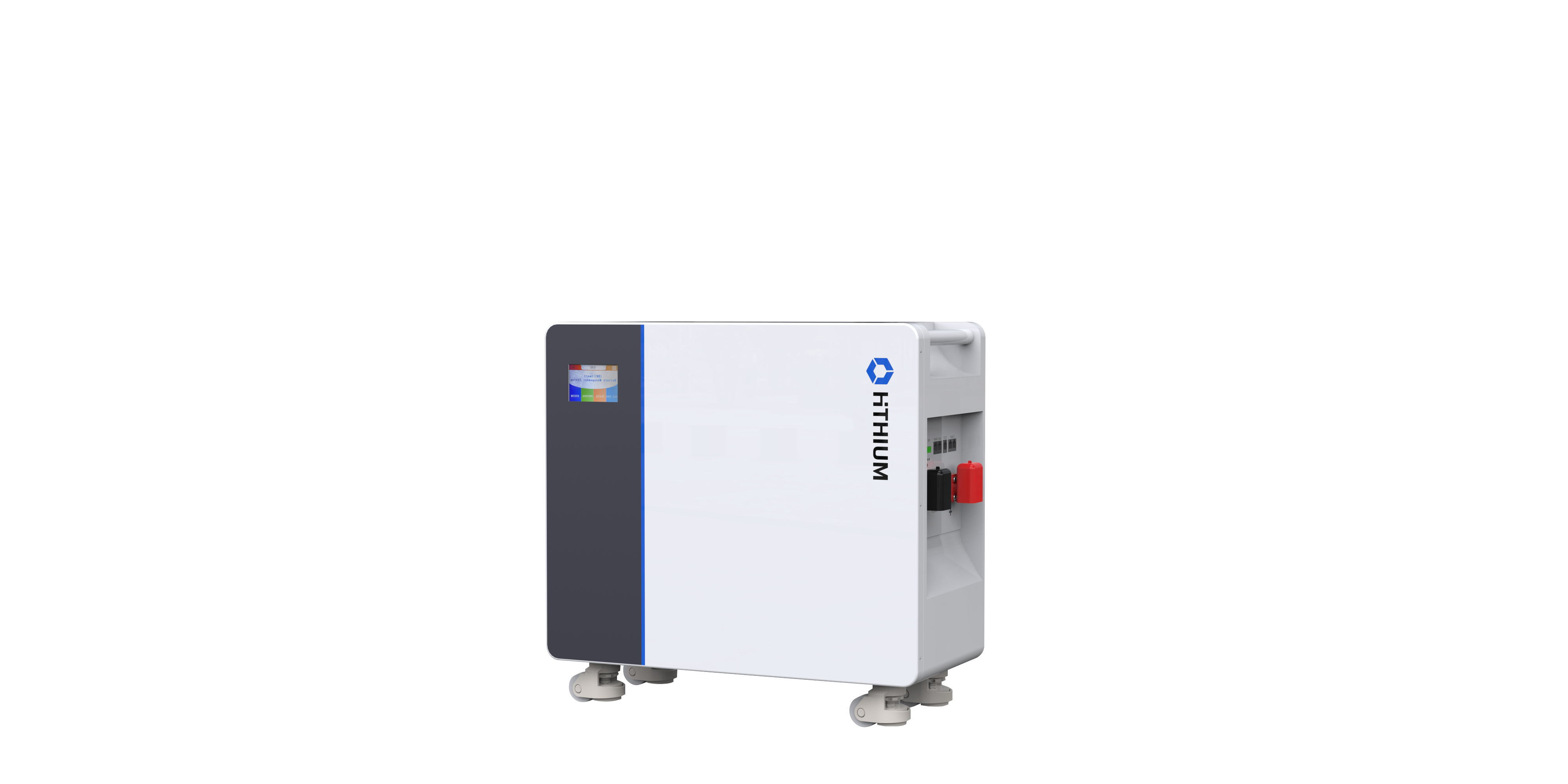
In residential energy storage systems, the details are clinical: round-trip efficiency, BMS safety thresholds, inverter surge, and state of charge management. I’ve watched a 13.5 kWh lithium iron phosphate rack carry a home office for 9.5 hours during a PSPS event—steady, not heroic, just disciplined. The data kept rolling in: 92% measured round-trip efficiency over 30 days; islanding in 37 milliseconds; no inverter clipping despite a 7.2 kW PV string (I checked twice). This is the layer that often gets ignored in glossy brochures, and it’s where good installs live or die. We’ll map the gaps people miss and the choices that actually pay their way—then line up fair comparisons that make the trade-offs visible.
Hidden Gaps in the Usual Home Power Fixes
Where do common fixes fall short?
Let’s be direct. The old trio—grid-only, solar-only, and portable generators—leaves quiet pain points that show up on bills and during outages. Grid-only homes face peak windows that punish evening loads; I’ve seen families in Phoenix rack up $180 in one hot week under a TOU schedule. Solar-only homes export mid-day and beg the grid at dinner, exactly when prices are meanest—demand charges do not care how sunny noon was. And portable generators? They trip smart appliances, hate partial loads, and need fuel during a storm. Let’s be honest, this part gets messy. A generator rated at 7 kW often wilts when a heat pump surges; without true 240 V split-phase stability, fridges chatter and lights flutter—annoying and hard on motors.
Even some storage installs miss the mark. I’ve walked into garages with sleek cabinets but mismatched hybrid inverters, no UL 9540 system listing, and a BMS that throttles at 40% SoC under heat—because the venting was an afterthought. One home in Flagstaff ran a 10 kWh pack, but the inverter’s continuous rating was 3.8 kW; the dryer and oven together broke the promise of “whole-home backup” in the first hour—humbling, and fixable. These are not theoretical flaws. They are configuration misses: surge rating too low, transfer time too slow, PV inverter not set for frequency-watt response. When these surface, I prefer solutions that match real load signatures and verify them with a week of data logging. A clean spec sheet is good; a quiet panel under a 6 kW evening spike is better—ask any inspector who’s heard a relay chatter and frowned.

Comparative View: New Principles and What Comes Next
What’s Next
Now to the forward look. The systems winning in 2025 aren’t just bigger; they’re smarter at the edge and calmer under stress. New LFP packs pair with inverters that modulate like a dimmer, not a switch—frequency-watt and volt-var control reduce export spikes and keep PV online during microgrid mode. I’ve deployed units that communicate like edge computing nodes, using local logic to shave load the second a tariff changes—no cloud lag, just fast decisions. When we match a 10 kW hybrid inverter with a 20 kWh pack, we’re not chasing capacity for bragging rights; we’re aligning discharge power with actual evening loads, so round-trip efficiency stays high and the battery comes off the bench at the right moment. And yes, the same home can join a demand response program without flicker—one client on PG&E’s E-TOU-C cut $137 in the first month after we tuned the reserve window and bumped backup priority by 5%—which caught me off guard.
Here’s the comparison I lean on when advising builders and electrical contractors: a modern residential battery energy storage system that is UL 9540 listed, with a 200 A whole-home backup gateway, outperforms a generator plus solar combo in three ways that matter day-to-day. It ramps silently and instantly during an outage, it cuts peak costs without user micromanagement, and it rides through motor inrush without dimming the lights—most good units handle 2x surge for 10 seconds. In January 2023, we swapped a gas generator for a 15 kWh LFP cabinet and a 5 kW hybrid inverter in Reno; the home kept a sump pump, a mini-split, and a chest freezer alive during a 7-hour outage—no fumes, no refuel, no drama. I firmly believe the next leap is bidirectional EV integration, but only when the transfer equipment and code catch up— and yes, that surprised the inspector. To choose well, measure three things: first, verify continuous and surge output against your worst 15-minute load block; second, confirm real round-trip efficiency at your climate’s average temperature; third, check transfer behavior—milliseconds matter when freezers and servers are on the line. Do that, and the trade-offs sort themselves out without hype. If you want a starting point for systems that tick these boxes, I’d point you to brands investing in robust power stages and conservative BMS logic, including HiTHIUM.


