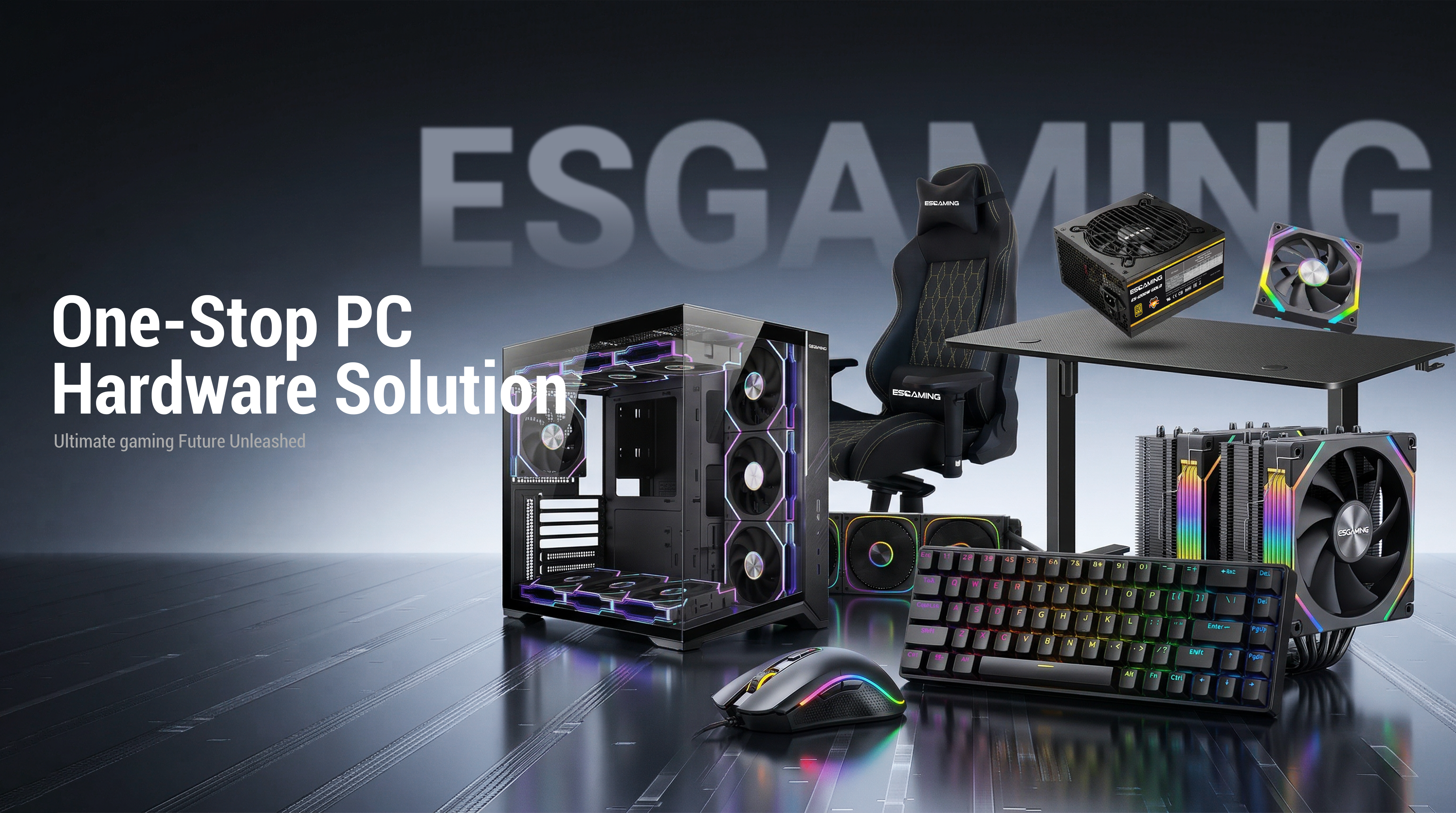
A CPU air cooler is one of the most important components in any computer system. It helps control temperature, improves performance, and keeps your processor safe PC Cases manufacturers overheating. Whether you are building a gaming PC, a work computer, or upgrading an old system, understanding CPU air coolers is very useful. This article explains everything in simple and easy language so anyone can understand.
What CPU Air Coolers Actually Do
A CPU air cooler is designed to remove heat from the processor. When your computer runs programs, games, or software, the CPU generates heat. If this heat is not controlled, the system can slow down or even shut off.
The air cooler uses a metal base that sits on the CPU. This base absorbs heat and moves it into heat pipes and fins. A fan then blows air over these fins to release the heat into the environment. This continuous process keeps the CPU temperature stable and safe during usage.
Without proper cooling, the CPU may face thermal throttling, which reduces performance automatically to prevent damage.
How Air Cooling Keeps Processors Stable
Air cooling works on a simple principle: heat transfer and airflow. The cooler pulls heat away from the CPU and spreads it through metal components. Then, the fan increases airflow to remove that heat quickly.
This system is very effective for everyday use like browsing, office work, watching videos, and even moderate gaming. A stable temperature means the processor can run at full speed without interruptions.
Good airflow inside the computer case also supports the CPU air cooler. If air cannot move freely, heat builds up inside the system and reduces performance.
Key Parts Inside CPU Air Cooler
A CPU air cooler is made up of several important parts that work together:
The first part is the copper or aluminum base plate. It directly touches the CPU and absorbs heat. Next are heat pipes, which carry heat from the base to the fins. These pipes are filled with liquid that helps transfer heat faster.
The aluminum fins are thin metal sheets that spread heat over a larger surface area. Finally, the fan pushes cool air through the fins and removes heat from the system.
Each part plays an important role in making sure the CPU stays cool and efficient during operation.
Benefits Of Using Air Cooling Systems
CPU air coolers offer many benefits for users. One of the biggest advantages is affordability. They are usually cheaper than liquid cooling systems but still provide strong performance.
Another benefit is reliability. Air coolers have fewer moving parts and no liquid, which reduces the risk of leakage or failure. This makes them a safe choice for long-term use.
They are also easy to install and maintain. Most air coolers only require basic setup and occasional cleaning to remove dust.
Additionally, air coolers work well for most users, including gamers, students, and office workers who do not require extreme cooling solutions.
Installation Steps For beginners At Home
Installing a CPU air cooler is not very difficult if you follow simple steps carefully.
First, make sure the computer is turned off and unplugged. Open the PC case and locate the CPU socket on the motherboard.
Next, apply a small amount of thermal paste on the CPU surface if it is not already pre-applied on the cooler. This paste helps improve heat transfer.
Then, place the cooler on top of the CPU and secure it using the mounting brackets or screws provided. Make sure it is tightly fixed but not overly forced.
After that, connect the fan cable to the motherboard’s CPU fan header. Finally, close the case and turn on the computer to check if the fan is working properly.
Proper installation ensures better cooling performance and longer CPU life.
Common Problems And Simple Fixes Guide
Sometimes CPU air coolers may face small issues. One common problem is dust buildup. Dust blocks airflow and reduces cooling efficiency. Cleaning the fan and fins regularly can solve this issue.
Another problem is noisy fans. This usually happens when the fan is dirty or worn out. Cleaning or replacing the fan can fix the noise.
Improper installation can also cause high temperatures. If the cooler is not tightly attached, it will not transfer heat properly. Reinstalling it correctly usually solves the problem.
In some cases, thermal paste may dry out over time. Reapplying fresh thermal paste can significantly improve cooling performance.
Choosing Best CPU Air Cooler Wisely
Selecting the right CPU air cooler depends on your computer usage. For basic tasks like browsing and office work, a standard air cooler is enough. For gaming or heavy software, a larger cooler with more heat pipes and a stronger fan is recommended.
You should also check compatibility with your CPU socket and computer case size. Some coolers are larger and may not fit in smaller cases.
Noise level is another important factor. If you prefer a quiet system, choose a cooler designed for low noise operation.
Brand reputation and build quality also matter. A good quality cooler will last longer and perform better under heavy load.
In conclusion, CPU air coolers are essential for keeping your computer stable, fast, and safe. They provide an affordable and reliable way to manage heat in almost any system. By understanding how they work and choosing the right one, you can significantly improve your computer’s performance and lifespan.